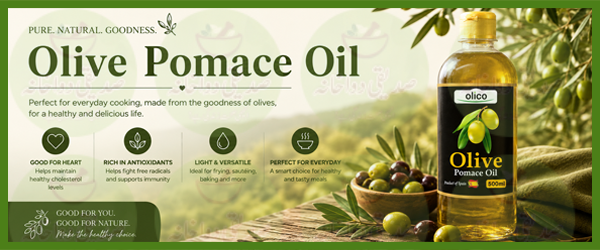
Olive oil is a liquid fat made by pressing whole olives. It’s a staple of Mediterranean cooking and widely valued for both flavor and health benefits.
Main types
Extra virgin olive oil (EVOO) – highest quality, cold-pressed, fruity flavor, low acidity
Virgin olive oil – slightly lower quality than EVOO
Refined (pure/light) olive oil – processed, milder taste, higher smoke point
Health benefits
Rich in monounsaturated fats (heart-friendly)
Contains antioxidants (like polyphenols)
Linked to lower risk of heart disease in diets like the Mediterranean diet
Common uses
Drizzling over salads, bread, and vegetables
Cooking (light sautéing to medium-heat frying)
Flavor base for sauces and dressings
Quick tips
Store in a cool, dark place to prevent spoilage
Use EVOO for flavor, refined oils for high-heat cooking
Freshness matters—best within ~12–18 months
Mediterranean cooking:
Mediterranean cuisine is a broad style of cooking from countries around the Mediterranean Sea, especially places like Italy, Greece, Spain, Turkey, Lebanon, and parts of North Africa.
It emphasizes:
Olive oil instead of butter
Fresh vegetables and herbs
Whole grains and legumes
Fish and seafood
Moderate dairy
Less processed food and red meat
Signature ingredients
Olive oil
Tomatoes
Garlic
Lemon
Chickpeas
Eggplant
Feta cheese
Fresh herbs like oregano, basil, mint, and parsley
Popular dishes
Hummus
Falafel
Greek salad
Paella
Shakshuka
Grilled fish with herbs and olive oil
Why people like it
The Mediterranean style is popular because it combines:
Strong flavors from herbs, citrus, and olive oil
Simple cooking methods
A reputation for supporting heart health and balanced eating
Typical Mediterranean plate
½ vegetables
¼ whole grains or legumes
¼ protein (fish, beans, chicken)
Olive oil as the main fat
Simple example meal
Grilled chicken or fish
Roasted vegetables
Couscous or brown rice
Salad with olive oil and lemon
Yogurt with fruit